2026년 자카르타 생활비: 외국인 거주자가 예산을 세워야 할 사항

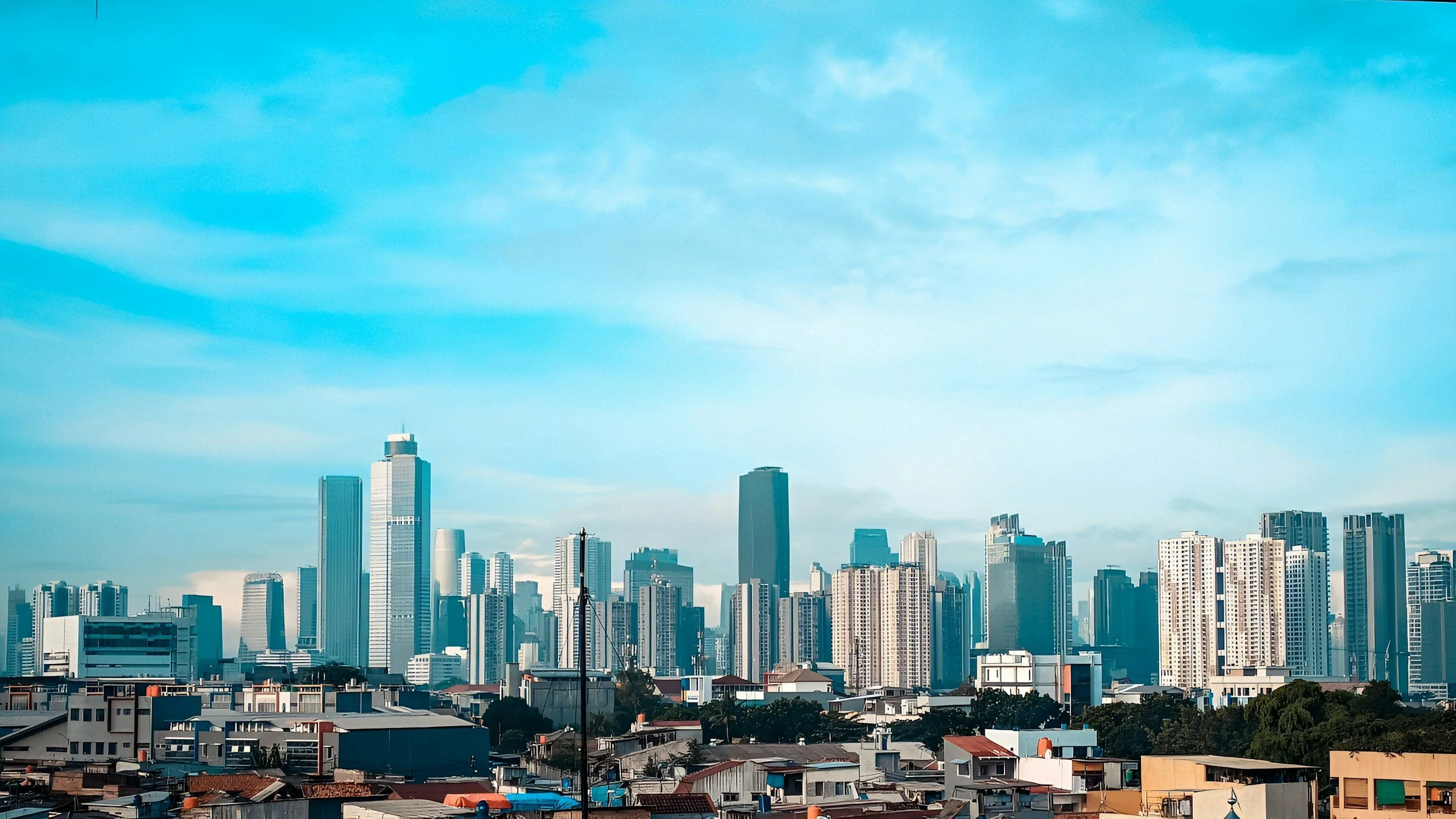
Jakarta is Indonesia’s political and commercial centre and a key base for regional operations in Southeast Asia. It attracts multinational companies, investors, and professionals looking to access the country’s large domestic market.

Cost of Living Comparison – Major Asian Cities

도시 Cost of Living Rent Groceries Restaurants
싱가포르 87.8 74.0 76.1 54.9
홍콩 75.7 64.6 74.5 51.6
Seoul 66.6 22.6 77.9 41.5
Tokyo 53.4 25.8 60.4 35.3
Bangkok 41.2 19.9 44.3 27.7
Kuala Lumpur 37.5 13.9 43.8 29.3
Jakarta 30.1 12.8 36.0 18.0

Source: Numbeo – Cost of Living Index by City (Asia, current).

The idea that Jakarta is a “cheap” city is only partly accurate. Day-to-day local expenses can be low, but costs increase quickly when expats opt for international-standard housing, private healthcare, Western food, and international schools. Two households with similar incomes can end up with very different monthly budgets.
— Yosephine P. Tyas, Personal Finance Expert

In Jakarta, cost of living is not driven by fixed systems or regulations. It is driven by lifestyle choices. How you live matters more than where you live.

Jakarta’s cost of living is defined by sharp contrasts between local affordability and international-standard lifestyles.

Factors Affecting Cost of Living

Expat vs local lifestyle differences

Local prices for food, transport, and services are low, but most expats operate in a separate cost bracket. Imported groceries, Western restaurants, private hospitals, and international schools significantly increase monthly spending.

Location and commute tolerance

Living close to business districts such as Sudirman or SCBD reduces commute time but raises rent. Moving further out lowers housing costs but often increases time spent in traffic, which is a major trade-off in Jakarta.

Household size and dependants

Costs rise sharply with dependants. Education, larger housing, transport arrangements, and healthcare coverage all scale quickly for families.

Use of domestic help and private services

Domestic help, drivers, and household services are common and affordable by expat standards, but they add recurring monthly costs that do not exist in many other cities.

Reliance on imported goods

Imported food, alcohol, household items, and personal care products are expensive and sometimes inconsistent in supply. The more imported your consumption, the higher your overall budget.

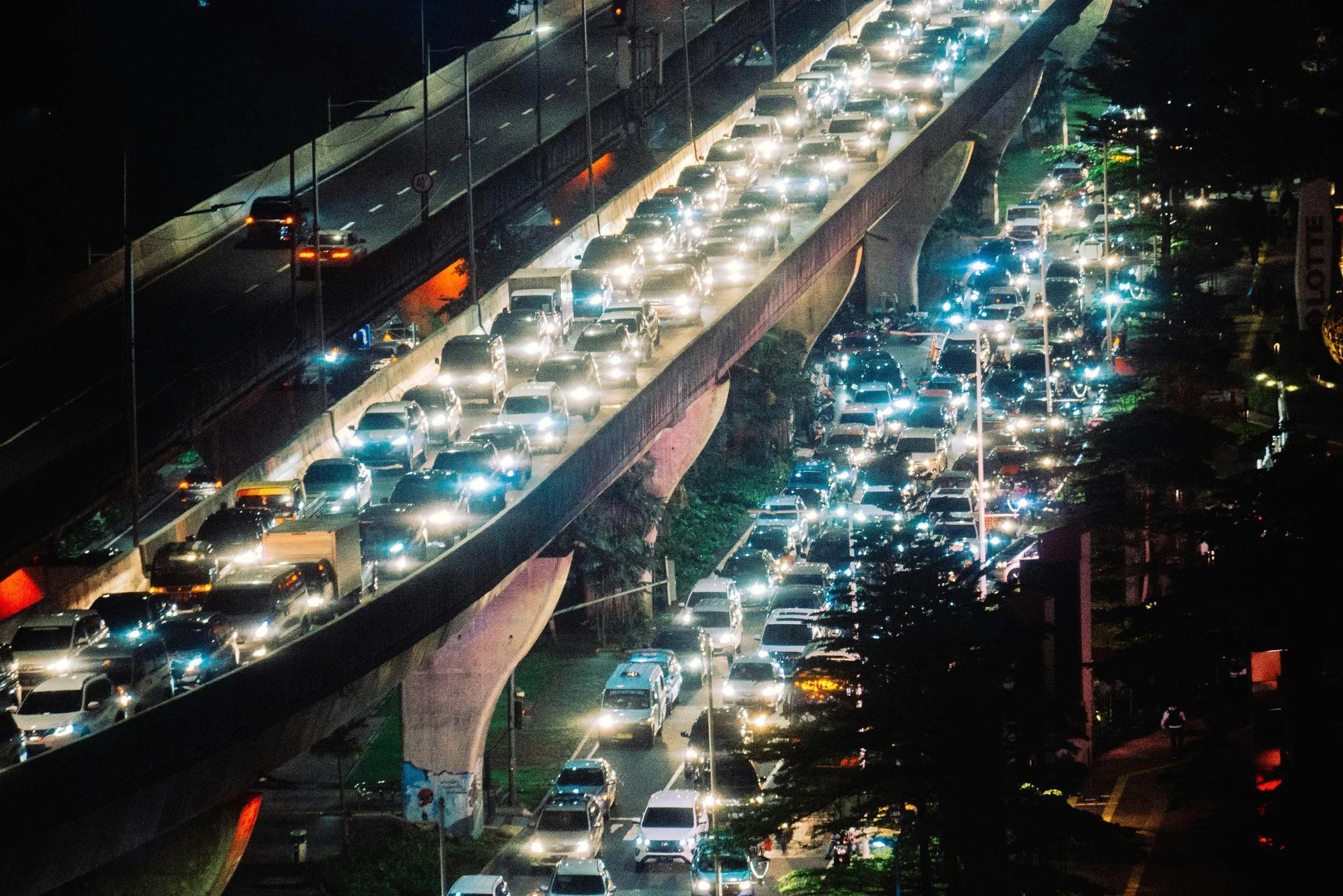
In Jakarta, traffic is the hidden cost that turns cheap rent into expensive time.

A Real-World Budget Scenario

A single expat working in Sudirman, renting a one-bedroom apartment, using ride-hailing, and eating local during the week can live comfortably on a moderate budget.

A family of four in Pondok Indah with two children in international school, a car and driver, and Western grocery habits may spend three to four times more each month.

Suburban comfort in Pondok Indah comes with higher rents but space, privacy, and easier family living.

Accommodation

See our briefing on Jakarta’s neighbourhoods: the good and bad

Most expats live in apartments, landed houses, or serviced apartments. Apartments are common in central areas, while landed houses are more typical in suburban neighbourhoods such as Pondok Indah or BSD. Serviced apartments appeal to short-term arrivals or those seeking convenience.

Popular expat areas include SCBD, Sudirman, Kemang, Pondok Indah, and BSD City. Rental prices vary widely depending on building quality, age, and proximity to offices and international schools.

Beyond rent, additional housing costs often include service charges, electricity, maintenance, and occasional building-related fees. These are frequently overlooked when budgeting. Don’t forget to ask about service charges and AC costs, which can be substantial and are not always included in advertised rent.

Pondok Indah and Kemang have a surprisingly good pizza scene

Food

Local dining options such as warungs and food courts are inexpensive and widely available. Many meals cost only a few pounds. Western and mid-range restaurants are far more expensive, particularly in central and expat-heavy areas. Alcohol is heavily taxed and priced accordingly, making nightlife and socialising a notable expense. Grocery costs depend heavily on shopping habits. Local markets and Indonesian products are affordable, while imported items can cost several times more than in their country of origin.

Eating local most of the time is one of the most effective ways to control monthly spending.

Transportation

Jakarta’s public transport system has improved, but coverage remains limited for many expats. MRT and bus networks are useful in certain corridors but do not replace private transport for most daily needs.

Ride-hailing services such as Grab and Gojek are widely used and relatively affordable. Many families opt for a car with a driver, which adds a predictable but significant monthly cost.

The main friction is traffic. Lower rent often comes with longer, more exhausting commutes. In Jakarta, time is often the hidden cost of cheaper housing.

Utilities

Electricity costs are driven largely by air conditioning usage. Larger units and poor insulation increase bills. Water quality varies by area and building, and many households use filtration systems.

Internet and mobile connectivity are generally reliable in central areas but can vary in older buildings or outer suburbs.

Utility costs are moderate by international standards but fluctuate depending on property type and usage habits.

Healthcare

Indonesia has a public healthcare system, but most expats rely on private hospitals and clinics. Jakarta has several reputable private hospitals offering international-standard care.

Private healthcare costs are lower than in many Western countries but can still be significant without insurance. Comprehensive health insurance, often including medical evacuation, is strongly recommended.

Out-of-pocket costs are manageable for routine care but less predictable for major treatment.

Education

See out Ultimate Guide to Jakarta’s International Schools

Local schools are affordable but of of course rarely suitable for non-Indonesian-speaking children. Most expat families choose international schools such as ISJ, JIS or BSJ offering British, IB or other international curricula.

International school fees are high relative to local incomes and can be comparable to those in other Asian capitals. Additional costs often include registration fees, capital levies, transport, and extracurricular activities. Education is one of the largest cost drivers for expat families in Jakarta.

Entertainment and Leisure

While Jakarta's impressive malls often serve as the default air-conditioned hubs for dining, shopping, and cinemas, they are far from the only option. Beyond the shopping centres, the city offers a surprising depth of creative and active pursuits for families, from world-class sports academies and art studios to expansive outdoor play spaces and cultural workshops. You just need to know where to look. We cover a wide range of these alternative ideas in our guide to activities for young families in Jakarta.

Domestic travel within Indonesia is affordable and popular for short breaks. Nightlife and alcohol-heavy socialising remain relatively expensive.

Free public leisure spaces exist but are more limited than in many global cities.

Other Living Expenses

Domestic help, drivers, and laundry services are common and affordable but add recurring costs. Personal care and grooming range from very cheap local options to premium international salons. Home upkeep, minor repairs, and contingency expenses should be factored into monthly planning.

Taxes and Miscellaneous Costs

Indonesia applies progressive personal income tax rates, with higher top rates than some regional hubs. VAT (PPN) at 11% applies to most goods and services and increases day-to-day spending. Social security contributions (BPJS) are mandatory in some cases, but most expats rely on private insurance for healthcare coverage. Tax administration and compliance can be complex without local advice.

Monthly Budget Estimates

Public cost-of-living data from sources such as Numbeo suggests that a single person’s monthly expenses in Jakarta, excluding rent, are typically under USD 500 when living locally. Expat lifestyles often exceed this range.

Broad monthly estimates:
- Single expat: low to mid range with local habits; significantly higher with Western lifestyle
- Couple: moderate to high depending on housing and dining choices
- Family with children: high, particularly with international school fees

Actual costs vary widely based on lifestyle and location. Prioritise location over property size to reduce commuting time. Eat local strategically while choosing imported items selectively. Optimise transport choices based on daily routines. Negotiate services and contracts, as pricing is often flexible.

Wrap Up

Jakarta offers far more cost flexibility than many major international cities, but far less predictability. Savings often come with trade-offs in convenience, comfort, or time. As one relocation consultant in Jakarta puts it: “Jakarta is affordable if you adapt to how the city works. It becomes expensive when expats try to replicate a Western lifestyle without compromise.” For expats who understand these trade-offs and budget accordingly, Jakarta can offer a high quality of life at a cost well below other regional hubs.


ISJ는 자카르타를 대표하는 2세부터 13세까지의 어린이를 위한 영국식 국제학교로, 최고 수준의 영국 국가교육과정(English National Curriculum)을 제공합니다. 영국 명문 사립학교 출신으로 엄선된 교사진의 지도 아래, 우리 학생들은 지속적으로 탁월한 학업 성취도를 보여주고 있습니다. 자카르타 최고의 2~13세 영국식 학교가 어떻게 노래를 통해 학습을 풍부하게 하고, 자신감을 키우며, 즐겁고 유대감 넘치는 학교 공동체를 조성하는지 확인하려면학교 투어를 예약하세요 .

이전 게시물
이전 게시물

2026년 자카르타 외국인 거주자를 위한 의료 및 건강보험 안내

다음
다음

2025 학부모 설문조사